Theory

Postmodern American Culture & Consumer Behavior
Postmodern theory isn't an academic exercise. It's the operating manual for the most culturally influential consumer segment in the world. Understanding Baudrillard, Debord, and Barthes isn't optional for brands that want to enter Black American consumer culture — it's the prerequisite.
What Is Postmodern Consumer Culture?
In postmodern consumer culture, the object you buy is not the product. The product is the sign. Jean Baudrillard established in The System of Objects (1968) that modern consumption is not about utility — it is about the production and exchange of meaning. Objects signify status, identity, belonging, and distinction. The commodity is secondary. The symbol is primary.
This is not metaphor. It describes how purchasing decisions actually work at a structural level — especially in Black American consumer culture, where symbolic exchange is both more sophisticated and more consequential than in almost any other demographic segment.
Baudrillard: The System of Objects
Baudrillard argued that in modern society, objects no longer satisfy needs — they signify social position within a code. Consumption is the systematic manipulation of signs. A sneaker is not footwear. It is a claim about who you are, which community you belong to, and what values you hold. This is foundational to understanding why authenticity failures in Black American marketing produce backlash: brands that misread the sign system are not just wrong — they are illegible.
Debord: The Society of the Spectacle
Guy Debord (1967) argued that modern life is mediated by spectacle — a social relation between people mediated by images. In Black American culture, this manifests through the elevated role of visual culture, celebrity, fashion, music video, and digital presentation. The spectacle isn't superficial. It IS the market. Brands that enter through the spectacle but lack symbolic alignment with the underlying values get exposed and rejected — often virally.
Barthes: Mythologies and the Second-Order Sign
Roland Barthes showed how ordinary cultural objects carry mythological meaning — a second layer of signification built on top of the literal. In Black American consumer culture, luxury goods, streetwear, music artists, and even slang operate as myths: they carry ideological weight beyond their surface meaning. Brands that understand only the first order (the product) miss the second order (what it means to be seen with it).
Why This Matters for Latin American Brands
Latin American brands entering the U.S. market often bring strong product quality, genuine innovation, and authentic brand stories. What they consistently lack is literacy in the symbolic code of the Black American consumer market. They know what they're selling. They don't know what it will mean once it enters the sign system.
The result is predictable: misread symbols, borrowed aesthetics without earned meaning, celebrity partnerships that don't transfer credibility, campaigns that land as tone-deaf. The fix is not to hire an American advertising agency. The fix is to understand the code before you enter the market.
"Market magnetism follows symbolic resonance, not demographic proximity." — Revere's Law
Articles
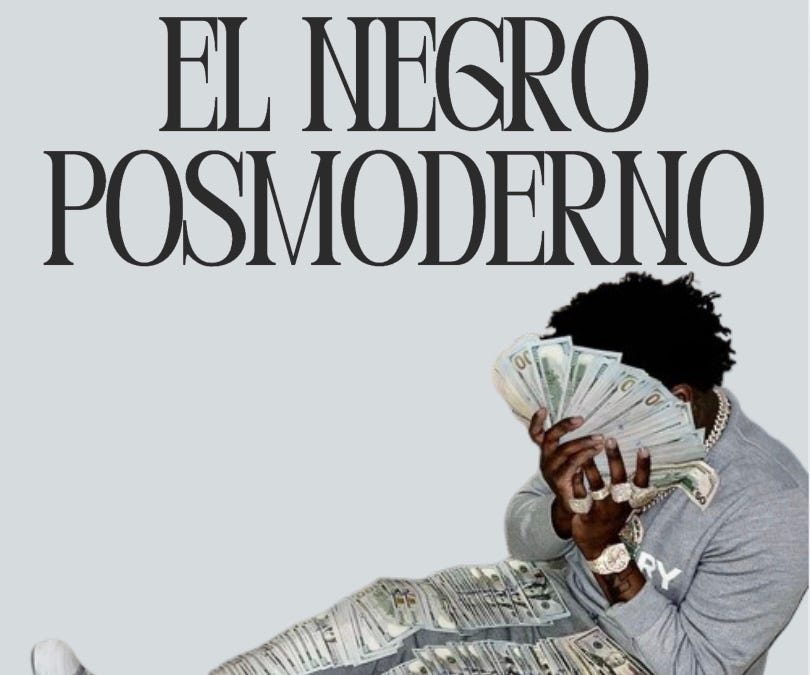
Reese R. Revere's essays applying postmodern theory to Black American consumer culture:

Watch: Revere's Law Explained
Ready to Apply This to Your Brand?
The theory only matters if you can act on it. That's what Revere Marketing Moguls does.
Apply to the Pilot Program →